 ReshapeGuide
Cosmetic injections: Botox, fillers and what the FDA warns
Updated
Cosmetic injections are the most common non-surgical treatments in plastic surgeons' own statistics, and among the most confusing. Here's what each type actually is, how long it lasts, what it costs, what the FDA warns about and who should hold the syringe, from the regulators' own pages and patients' own posts.
Short answer
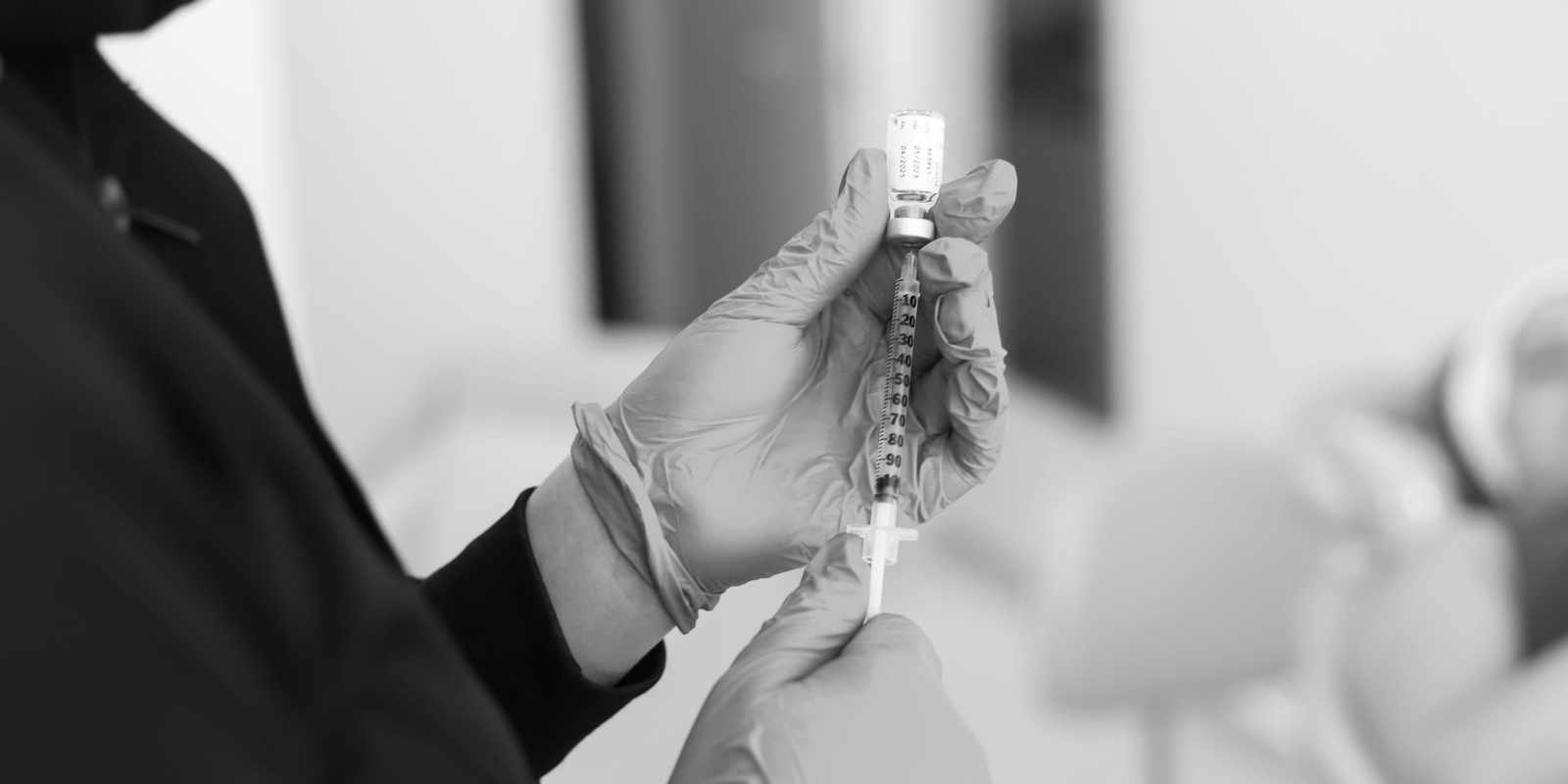
Cosmetic injections are prescription drugs or medical devices injected to smooth lines, add volume or reduce fat. The main types are wrinkle-relaxing botulinum toxins such as Botox (about half of all non-surgical treatments in 2025), hyaluronic acid fillers (30%), collagen-stimulating fillers such as Sculptra and Radiesse, and deoxycholic acid (Kybella) for fat under the chin. Results are temporary: ASPS says most Botox-type injections last about three to four months, and the FDA puts most fillers at roughly six months to two years.
Most people searching “cosmetic injections” want to know three things: which one fixes their problem, how long it lasts, and how risky it is. The honest answers are that the type depends on whether the problem is movement, lost volume or fat; that nearly everything wears off; and that the FDA’s most serious warnings involve toxin spreading beyond the injection site, filler entering a blood vessel, and counterfeit products or unlicensed injectors.
The main types at a glance
Injections fall into four groups that work in completely different ways. Wrinkle relaxers are drugs that quiet a muscle. Fillers are FDA-regulated medical devices that physically take up space. Biostimulators are fillers that, in ASPS’s description of Sculptra, prompt your body to make collagen. Fat-dissolving injections destroy fat cells, according to the Kybella label.
| What it does | How long it lasts | ASPS average fee | |
|---|---|---|---|
| Wrinkle relaxers (Botox, Dysport, Xeomin, Jeuveau, Daxxify, Letybo) | Relaxes the muscles that crease the forehead, frown lines and crow’s feet | About 3–4 months for most brands | $435 |
| Hyaluronic acid fillers (Juvéderm, Restylane, Belotero, RHA) | Adds volume to cheeks, lips, chin and folds; can be dissolved | About 6–12 months | $715 ($743 for lips) |
| Biostimulatory fillers (Sculptra, Radiesse) | Adds volume and stimulates collagen; can’t be dissolved | About 18 months (Radiesse); up to 2 years (Sculptra) | $901 |
| Fat-dissolving injections (Kybella) | Destroys fat cells under the chin | Not stated; treatment is up to 6 sessions, a month or more apart | Not published by ASPS |
Durations are from ASPS (wrinkle relaxers) and the FDA’s filler materials page; fees are ASPS’s “latest statistics”, which don’t state a year. In ASPS’s 2025 statistics, wrinkle-relaxing injections made up about half of all non-surgical (minimally invasive) treatments, and hyaluronic acid fillers another 30%. The 2025 report gives each treatment’s share and rank but no count, while ASPS looks for a better data source, so there’s no reliable total to quote. For how injections fit alongside surgery, see our overview of the types of plastic surgery.
Botox and other wrinkle relaxers
The Botox Cosmetic label says botulinum toxin type A blocks the signals from nerve to muscle, so the muscle can’t contract fully and the lines it makes soften. The approved cosmetic uses are all lines tied to muscle activity: the vertical “11s” between the brows (glabellar lines), forehead lines, crow’s feet and, for Botox Cosmetic, neck bands. None of the labels lists volume loss or sagging.
Six brands are FDA-approved for cosmetic use in the US, and all are prescription drugs:
- Botox Cosmetic (onabotulinumtoxinA) is approved for frown lines, crow’s feet, forehead lines and vertical neck bands (platysma bands).
- Xeomin (incobotulinumtoxinA) is approved for frown lines, forehead lines and crow’s feet.
- Dysport is approved for frown lines in adults under 65.
- Jeuveau, Daxxify and Letybo are approved for frown lines.
Anything else, such as a “lip flip”, masseter (jaw) slimming or a “Botox brow lift”, is an off-label use the FDA hasn’t reviewed for that brand. Brands aren’t dosed alike either: the Botox Cosmetic label says its units can’t be compared to or converted into units of any other botulinum toxin, so per-unit prices across brands aren’t comparable.
ASPS says you may notice results within a few days, the full effect can take up to a week, and the improvement typically lasts about three to four months, after which the muscle movement and the lines come back. ASPS says you can resume normal activities immediately, but advises not rubbing the treated area, because the toxin can migrate and cause temporary drooping.
Every botulinum toxin sold in the US carries the FDA’s strongest label warning, a boxed warning for distant spread of toxin effect: the effect may spread beyond the injection site and cause muscle weakness, double vision, drooping eyelids, trouble swallowing or speaking, and breathing problems, hours to weeks later. The labels note swallowing and breathing difficulties can be life-threatening. ASPS calls this very unlikely; the Botox Cosmetic label tells patients to seek immediate medical care if swallowing, speech or breathing problems occur.
Hyaluronic acid fillers
The FDA describes hyaluronic acid (HA) as a type of sugar found naturally in skin and cartilage. As a gel it combines with water and swells, which is how it fills a fold or adds shape. The FDA says HA in fillers is chemically crosslinked to last longer, and some fillers contain lidocaine to reduce pain. Brands include the Juvéderm range (Voluma, Vollure, Volbella), Restylane, Belotero and RHA.
The FDA has approved fillers for adults 22 and older for specific areas: moderate to severe wrinkles and folds such as the lines from nose to mouth, and adding volume to the lips, cheeks, chin and back of the hands. Since then it has approved specific products for under-eye hollows, the jawline and the temples. Each product is approved only for particular areas, and the FDA recommends against filler in places no product is approved for, such as the nose, forehead and between the brows. Ask what your injector is using and where.
The FDA says HA’s effect lasts about 6 to 12 months. ASPS describes filler results as lasting from several months to several years depending on the product and the person, and both sources say the area injected matters. HA fillers accounted for 30% of ASPS members’ non-surgical treatments in 2025; 70% of those treatments were for facial rejuvenation and 23% for the lips.
Their big advantage is that they can be broken down with an enzyme, hyaluronidase (see dissolving filler below). Their main drawbacks are repeat cost and the risk the FDA calls most concerning: injection into a blood vessel.
Biostimulatory fillers: Sculptra and Radiesse
By the FDA’s figures these last longer than HA, but hyaluronidase doesn’t dissolve them.
- Poly-L-lactic acid (Sculptra) is a polymer the FDA notes is also used in absorbable stitches. ASPS says it doesn’t produce immediate results; it prompts your own collagen production, so results build over weeks. ASPS says most people need about three monthly sessions, and the FDA says the effect may last up to two years.
- Calcium hydroxylapatite (Radiesse) is, in the FDA’s words, a mineral commonly found in teeth and bones. The FDA puts its effect at about 18 months and says it shows up on X-rays and may obscure what’s underneath.
- PMMA microspheres (Bellafill) are the only permanent filler material the FDA has approved: tiny plastic beads in a cow-collagen gel that the body doesn’t absorb. Permanent fillers are approved only for the lines from nose to mouth and acne scars on the cheeks.
ASPS ranked non-hyaluronic acid fillers fifth among non-surgical treatments in 2025: 80% were for facial rejuvenation and 10% for lips. In ASPS’s survey, a third of its surgeons (33%) said they used biostimulatory injectables for facial rejuvenation. The trade-off comes up in the patient quotes above: hyaluronidase won’t remove a biostimulator, and the FDA warns that non-HA and permanent fillers may be difficult or impossible to remove. Ask your injector what they would do about a lump or overcorrection.
Kybella for fat under the chin
Kybella is deoxycholic acid, a drug its label says destroys fat cells. It’s FDA-approved only for moderate to severe fullness from fat under the chin (submental fat) in adults; the label says it’s not approved for fat anywhere else and such use isn’t recommended. Each session can involve up to 50 small injections, and up to six sessions may be given at least a month apart.
The label warns about injury to the nerve that controls the corner of the mouth, which showed up in trials as an uneven smile or facial weakness (all cases resolved), as well as difficulty swallowing, bruising, hair loss in the treated area, and skin ulcers or tissue death at the injection site. Swelling is the most common side effect on the label (87% of treated patients in trials), and one patient above says it “swelled a lot for 1 week”. The label also tells doctors to weigh the risks in people with very loose skin or prominent neck bands, where the result may look worse. If that’s you, ask a surgeon how it compares with chin liposuction (18,842 procedures in 2025) or a neck lift; see our guides to body contouring and facial plastic surgery.
Skin boosters and PRP
Skin boosters are thin HA injections placed in the skin itself to improve texture rather than add volume. In the US, the FDA approved SKINVIVE by Juvéderm in May 2023 to improve the smoothness of cheek skin in adults over 21. Other “skin booster” products marketed abroad or online aren’t necessarily approved here; ask for the brand and check it.
Platelet-rich plasma (PRP) is made by spinning your own blood to concentrate the platelets, then injecting it or applying it after microneedling (the “vampire facial”). We couldn’t find an FDA approval for PRP as a wrinkle or skin treatment, so ask your provider what evidence they’re relying on. Hygiene is the other concern, because blood is involved: in 2024 the CDC linked HIV infections in four clients of an unlicensed New Mexico spa, plus one client’s sexual partner, to PRP microneedling facials there. It was the first investigation to tie HIV transmission to nonsterile cosmetic injection services.
What injections cost
ASPS publishes average fees from its member surgeons. The cost pages say “latest statistics” without giving a year, and the 2025 statistics report has no fee data, so treat these as national averages, not this year’s local prices.
| Treatment | ASPS average fee |
|---|---|
| Botulinum toxin (Botox, Dysport, Xeomin, Jeuveau, Daxxify) | $435 |
| Hyaluronic acid filler | $715 |
| Lip augmentation with filler | $743 |
| Non-hyaluronic acid filler (Radiesse, Sculptra, Bellafill, Renuva) | $901 |
Three things make the real bill different:
- Amount used. Wrinkle relaxers are priced per unit or per area and fillers per syringe. ASPS says the price depends on how many lines you’re treating and how much product it takes.
- Repeat visits. A wrinkle relaxer that lasts three to four months means three or four visits a year to keep the effect; fillers need repeating as they wear off, within about 6 months to 2 years for most, on the FDA’s figures.
- Who and where. ASPS says fees vary with the injector’s training, the time involved and the office’s location, and that health insurance doesn’t cover dermal fillers.
A very low price is worth asking about. The FDA’s 2024 counterfeit Botox alert involved products bought from unlicensed sources and injected by both licensed and unlicensed people, sometimes in non-medical settings. The FDA’s advice: confirm with your provider that the product comes from an authorized source.
Risks and FDA warnings
The FDA lists bruising, redness, swelling, pain, tenderness, itching and rash as common filler risks, and ASPS lists bruising, pain, headache, nausea, redness and temporary drooping among toxin side effects. ASPS says filler swelling and bruising mostly settle within hours to a few days, and recommends avoiding intense exercise for the first 24 to 48 hours. The FDA’s more serious warnings are below.
- Filler in a blood vessel. The FDA calls unintentional injection into a blood vessel the most concerning risk of fillers. It says the chances are low, but it can block blood flow and cause tissue death, vision problems including blindness, and stroke. The FDA says to get immediate medical attention for unusual pain, vision changes, skin turning white, gray or blue near the injection, or any sign of a stroke during or soon after treatment.
- Needle-free “hyaluron pens.” The FDA has not approved any needle-free device for injecting fillers, and it has warned about serious injuries from them. No filler is approved for over-the-counter use either.
- Products bought online. The FDA says not to buy fillers online because they may be counterfeit or not approved in the US, and it has warned specifically about unapproved Juvéderm Ultra 2, 3 and 4 sold by online retailers. In 2024 it reported counterfeit Botox in several states, with hospitalizations for blurred or double vision, trouble swallowing and breathing, and weakness.
- Toxin spread. Every botulinum toxin carries a boxed warning that its effect can spread beyond the injection site (see above).
- Unapproved body uses. The FDA recommends against using fillers to enlarge the breasts or buttocks, and says injectable silicone isn’t approved for any cosmetic use and can cause permanent disfigurement, stroke and death. For the surgical options, see breast surgery and body contouring.
The FDA also points out that the safety of fillers combined with toxins, or used repeatedly over many years, hasn’t been studied in controlled trials, and that safety is unknown during pregnancy and breastfeeding. For comparison with surgical risks, see the riskiest types of plastic surgery.
Dissolving filler: hyaluronidase
Hyaluronidase is an enzyme that breaks down hyaluronic acid. The Hylenex label lists other approved jobs, such as helping other injected drugs spread, so dissolving filler is an off-label use. Even so, a 2022 review in Aesthetic Plastic Surgery describes it as commonly used to correct overcorrection, asymmetry, lumps and nodules after HA filler, and summarizes how it’s used when filler blocks a blood vessel.
Two cautions. It only works on HA: the FDA warns that fillers not made of materials like hyaluronic acid, and permanent fillers, may be difficult or impossible to remove. And it can cause allergic reactions; the same review says it shouldn’t be used in people who have reacted to bee or wasp stings. The FDA tells providers to have an up-to-date plan for treating a filler injected into a blood vessel, on site or by immediate referral. Ask your injector what theirs is and whether they keep hyaluronidase on hand.
Who should inject you
The FDA’s advice is to treat filler as a medical procedure, not a cosmetic treatment: choose a licensed health care provider experienced in dermatology or plastic surgery, ask about their training and experience injecting the area you want treated, and never inject yourself. ASPS, the plastic surgeons’ society, goes further and says being treated by a board-certified plastic surgeon is essential for fillers. In practice nurses and physician assistants also inject, and whether they need a physician’s supervision depends on the state.
Who may legally inject is set by each state’s medical and nursing boards, and the rules differ. In California, for example, the Medical Board says physicians may inject Botox or direct registered nurses or physician assistants to do it under their supervision; medical assistants may not, and a nurse may not run a cosmetic practice without physician supervision. Check your own state’s board rather than assuming.
- The license. Look the provider up on your state board’s site or the free DocInfo search for physicians; ask who the supervising physician is if a nurse or PA injects.
- The product. Ask for the brand name and lot number, whether it came from an authorized source (the FDA’s counterfeit Botox advice), and whether it’s FDA-approved for the area being treated.
- The plan B. Ask what they do if filler blocks a vessel, and whether hyaluronidase is on site.
- The setting. The FDA’s 2024 counterfeit Botox cases involved injections in non-medical or unlicensed settings. Ask where the treatment happens and whether records are kept.
Injections or surgery?
Injections involve no incisions, and HA fillers can be dissolved. ASPS says normal activities can resume right after a toxin, and asks for 24 to 48 hours without intense exercise after filler. Their limits: the sources above put most results at months to two years, so the cost repeats for as long as you want the result, and none of the toxin labels or filler approvals covers removing loose skin. One patient quoted below says lower-face filler left them looking “older, more masculine and droopy”.
Questions for an injector: is my concern movement lines, lost volume or chin fat? Which approved product treats it, how long will it last on me, and what will it cost per year to keep up?
Questions for a surgeon: would my jowls, loose neck skin, heavy eyelids or loose skin after weight loss respond better to surgery? What’s the recovery, and how does a one-time cost compare with years of injections?
For the surgical options and how they compare, see facial plastic surgery for the face and neck, body contouring for fat and loose skin, and reconstructive surgery when the goal is repair rather than appearance. If you’re leaning toward surgery, our plastic surgery checklist covers what to check before you book. Whatever you choose, make the decision with a qualified doctor who has examined you.
The bottom line
Cosmetic injections are four different treatments under one name: muscle relaxers that last a few months, hyaluronic acid fillers that last six months to a year or more and can be dissolved, collagen-stimulating fillers that last longer and can’t be, and a fat-dissolving drug for under the chin. The FDA’s advice comes down to an approved product from an authorized source, a licensed provider trained in the procedure, and a plan for complications.
What people say after their injections
Public posts from people who get wrinkle relaxers and fillers, copied word for word. Each describes one person's experience, not typical results or medical advice.
Botox and other wrinkle relaxers
3 posts
On how often they get Botox
“I did the every 3 months series for my first few appointments, and then learned I can go 6months to a year, so I do that now.”
After switching from Botox to Daxxify. Dose ratios are the poster's own: the labels say units can't be converted between brands
“My injector charges the same as Botox (half price per unit to equal the two to one ratio of daxxify vs Botox). I actually needed way less daxxify too so I saved over $200 when I switched from Botox. I’m hoping it lasts longer than Botox for me too.”
On Botox for crow's feet
“I get a small dose (4 units) on each side and I find it reduces the scrunch just enough without looking weird at all.”
Fillers and dissolving
3 posts
Asking about filler migration
“Real question: How are people comfortable getting filler with all of the research about filler migration that’s been done? Did they find a way to effectively dissolve filler or to stop it from migrating?”
Still gets filler after one migration
“If on a rare chance you have migration the doctor should offer dissolve free of charge. Mine does. Again, it's rare. I had filler migrate only once. Had most disolved. I still get filler because I know migration is so rare”
Weighing Sculptra against filler
“I've been considering it, but I'm hesitant about adding it to my cheeks and ending up with that "puffy, pillow-face" look that fillers can do. Except fillers can be dissolved while Sculptra can't.”
Swelling, downtime and who injects
3 posts
Comparing downtime after lip filler, Botox and Kybella
“Botox I went back to work the next morning and you couldn’t see anything. Kybella swelled a lot for 1 week and dissipated over the second.”
Two days after cheek filler
“Cheeks looked great just after the injections, but the morning after I noticed how uneven the looked - and they still do. I sent pics to the clinic and they said it's likely just normal swelling, and it will settle over the next two weeks.”
After lower-face filler from an aesthetician
“I had an extremely over confident aesthetician talk me into filler under my jaw, below my lip crease at the sides and behind my masseter to help. I look older, more masculine and droopy. I've had 4 x dissolving sessions, and an ultrasound, and still not back to normal.”
Questions people ask
What are the most common cosmetic injections?
Wrinkle-relaxing botulinum toxin injections such as Botox, Dysport, Xeomin, Jeuveau, Daxxify and Letybo. They made up about half of all non-surgical cosmetic treatments by US plastic surgeons in 2025, according to the American Society of Plastic Surgeons. Hyaluronic acid fillers came second at 30%, and 70% of those filler treatments were for facial rejuvenation and 23% for lips. Non-hyaluronic acid fillers such as Sculptra and Radiesse ranked fifth, behind laser skin treatments and laser hair removal.
How long do cosmetic injections last?
It depends on the product. ASPS says Botox-type injections typically last about three to four months. The FDA puts hyaluronic acid fillers at about 6 to 12 months, calcium hydroxylapatite (Radiesse) at about 18 months and poly-L-lactic acid (Sculptra) at up to 2 years. PMMA (Bellafill) is the one FDA-approved filler the body doesn't absorb. The FDA says how long a filler lasts also depends on where it's injected.
How much do cosmetic injections cost?
ASPS's latest average fees are $435 for botulinum toxin injections, $715 for hyaluronic acid fillers, $743 for lip filler and $901 for non-hyaluronic acid fillers such as Sculptra or Radiesse. ASPS doesn't say which year those averages are from. Your price depends on how many units or syringes you need and where you live, and you'll pay again every time you go back. ASPS notes that health insurance doesn't cover dermal fillers.
What's the difference between Botox and fillers?
Botox and other botulinum toxins are drugs that, according to the Botox Cosmetic label, block the signals from nerve to muscle, so lines made by frowning or squinting soften. Fillers are FDA-regulated medical devices: gels injected under the skin to add volume to cheeks, lips or deep folds. ASPS says toxins last about three to four months; the FDA puts most fillers at six months or more. Some people get both: toxin for the forehead and around the eyes, filler for lost volume lower down.
Are cosmetic injections safe?
The FDA lists bruising, redness, swelling, pain, tenderness, itching and rash as common filler risks, and ASPS lists bruising, headache and temporary drooping among toxin side effects. The serious risks are less likely but real. Every botulinum toxin carries an FDA boxed warning that its effect can spread beyond the injection site and cause swallowing or breathing problems. For fillers, the FDA says the most concerning risk is accidental injection into a blood vessel, which can cause tissue death, blindness or stroke. The FDA's 2024 counterfeit Botox cases involved products from unlicensed sources, some injected by unlicensed people.
Who can legally give cosmetic injections?
It depends on your state. Each state's medical and nursing boards decide who may inject and how closely a physician must supervise. In California, for example, the Medical Board says physicians may inject Botox or direct registered nurses or physician assistants to do it under their supervision, and medical assistants may not. Whatever your state, the FDA advises choosing a licensed provider trained in the procedure and asking about their experience.
Can fillers be dissolved?
Hyaluronic acid fillers can be broken down with injections of an enzyme called hyaluronidase. A 2022 review in Aesthetic Plastic Surgery says it's commonly used to correct lumps, overcorrection or asymmetry, and describes its use when filler blocks a blood vessel. That use is off-label, and the review notes some people are allergic to it. Collagen-stimulating and permanent fillers such as Sculptra, Radiesse and Bellafill can't be dissolved this way. The FDA warns that removing them may be difficult or impossible.
Sources
- American Society of Plastic Surgeons: 2025 Procedural Statistics Release (PDF, September 2026)
- American Society of Plastic Surgeons: botulinum toxin injection cost
- American Society of Plastic Surgeons: botulinum toxin results
- American Society of Plastic Surgeons: botulinum toxin risks and safety
- American Society of Plastic Surgeons: dermal filler cost
- American Society of Plastic Surgeons: types of dermal fillers
- American Society of Plastic Surgeons: dermal filler risks and safety
- American Society of Plastic Surgeons: dermal filler results
- American Society of Plastic Surgeons: dermal filler recovery
- U.S. Food and Drug Administration: Dermal Fillers (Soft Tissue Fillers)
- U.S. Food and Drug Administration: FDA-Approved Dermal Fillers (materials and duration)
- U.S. Food and Drug Administration: Counterfeit Version of Botox Found in Multiple States (2024)
- U.S. Food and Drug Administration: premarket approval for SKINVIVE by Juvéderm (P110033/S059, May 2023)
- DailyMed (National Library of Medicine): Botox Cosmetic prescribing information, including the boxed warning shared by all botulinum toxins
- DailyMed (National Library of Medicine): Dysport prescribing information
- DailyMed (National Library of Medicine): Xeomin prescribing information
- DailyMed (National Library of Medicine): Jeuveau prescribing information
- DailyMed (National Library of Medicine): Daxxify prescribing information
- DailyMed (National Library of Medicine): Letybo prescribing information
- U.S. Food and Drug Administration: premarket approvals for newer filler areas (Restylane Eyelight, under-eye hollows, P040024/S135, 2023; Juvéderm Volux XC, jawline, P110033/S065, 2022; Juvéderm Voluma XC, temples, P110033/S070, 2023)
- DailyMed (National Library of Medicine): Kybella (deoxycholic acid) prescribing information
- DailyMed (National Library of Medicine): Hylenex recombinant (hyaluronidase) prescribing information (approved uses)
- Borzabadi-Farahani, Mosahebi and Zargaran, A Scoping Review of Hyaluronidase Use in Managing the Complications of Aesthetic Interventions, Aesthetic Plastic Surgery (2022)
- CDC, Morbidity and Mortality Weekly Report: Investigation of Presumptive HIV Transmission Associated with Receipt of Platelet-Rich Plasma Microneedling Facials at a Spa, New Mexico, 2018–2023 (April 2024)
- Medical Board of California: Cosmetic Treatments FAQ
- Federation of State Medical Boards: DocInfo license lookup
About this guide
ReshapeGuide is an independent publisher run by Nicolas. He is not a doctor, nurse or surgeon. Guides explain how procedures, costs and recovery generally work, using public sources such as medical boards, specialty societies, the FDA and peer-reviewed research, which each guide lists and links.
Facts and prices were checked against the sources above on October 7, 2026. Patient quotes are public posts, copied exactly; prices and outcomes in them are the posters' own and weren't verified. This is general information, not medical advice: talk to a board-certified surgeon or your doctor about your own situation.
First published October 7, 2026 · Last updated October 7, 2026